Top Durable Metal Roofing Options for Longevity: Long-Lasting Metal Roof Materials
Metal roofing is a critical component in commercial and industrial construction. Selecting the right materials ensures a roof that withstands harsh weather, reduces maintenance costs, and extends the building's lifespan. I will discuss the best long-lasting metal roof materials available today. This information will help in making informed decisions for complex building exterior projects.
Understanding Long-Lasting Metal Roof Materials
Long-lasting metal roof materials vary in composition, durability, and cost. The most common metals used include steel, aluminum, copper, and zinc. Each has unique properties that affect performance and longevity.
Steel: Galvanized or galvalume steel is widely used due to its strength and affordability. It is coated with zinc or a zinc-aluminum alloy to prevent rust.
Aluminum: Lightweight and corrosion-resistant, aluminum is ideal for coastal areas where salt exposure is high.
Copper: Known for its durability and aesthetic appeal, copper develops a protective patina over time, increasing its lifespan.
Zinc: Zinc roofs are self-healing and can last over 80 years. They are low maintenance and environmentally friendly.
These materials are often finished with protective coatings to enhance resistance to UV rays, corrosion, and impact damage. Choosing the right metal depends on the building’s location, climate, and budget.

Benefits of Durable Metal Roofing Options
Using durable metal roofing options offers several advantages for commercial and industrial buildings:
Longevity: Metal roofs can last 40 to 70 years or more, significantly longer than traditional asphalt shingles.
Strength: Metal resists wind, hail, and fire better than many other roofing materials.
Energy Efficiency: Reflective coatings reduce heat absorption, lowering cooling costs.
Low Maintenance: Metal roofs require less frequent repairs and inspections.
Sustainability: Many metal roofs are made from recycled materials and are fully recyclable at the end of their life.
These benefits contribute to lower total cost of ownership and improved building performance.
How Much Would a Metal Roof Cost on a 2000 sq ft House?
Estimating the cost of a metal roof for a 2000 square foot building involves several factors:
Material Type: Steel is generally the most affordable, while copper and zinc are premium options.
Roof Complexity: Roofs with multiple angles, penetrations, or steep slopes increase labor costs.
Coatings and Finishes: Specialty coatings for color retention and corrosion resistance add to the price.
Installation: Labor rates vary by region and contractor expertise.
On average, the cost per square foot ranges from $5 to $15. For a 2000 sq ft roof, this translates to approximately $10,000 to $30,000. Steel roofs typically fall on the lower end, while copper and zinc roofs are at the higher end.
Additional costs may include removal of old roofing, structural reinforcements, and permits. It is advisable to obtain detailed quotes from experienced contractors to get accurate pricing.
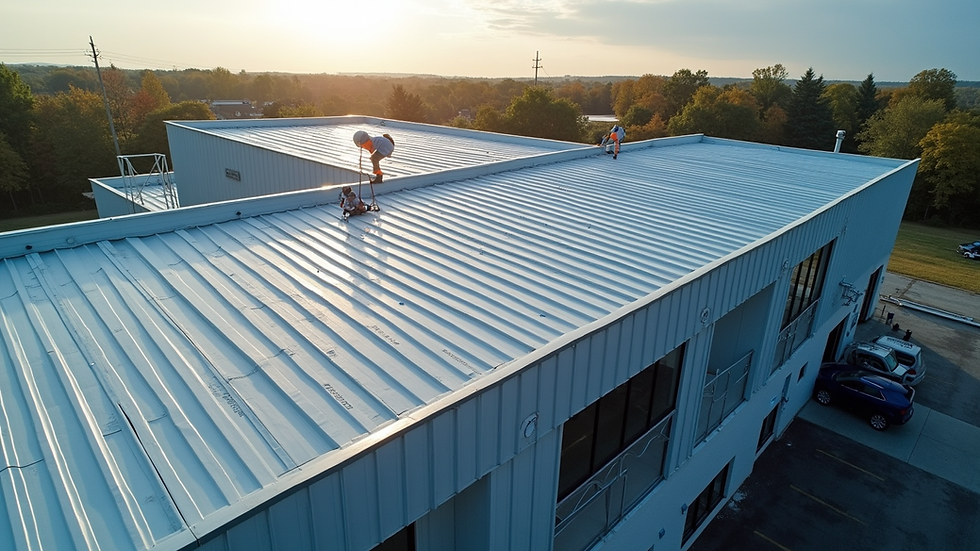
Key Factors to Consider When Choosing Metal Roofing
Selecting the right metal roofing system requires evaluating several factors:
Durability Requirements: Assess the local climate and environmental conditions. Coastal areas need corrosion-resistant metals like aluminum.
Building Design: Consider roof pitch, shape, and load-bearing capacity.
Budget Constraints: Balance upfront costs with long-term savings from durability and energy efficiency.
Aesthetic Preferences: Metal roofs come in various styles and colors to match architectural design.
Warranty and Certification: Choose products with strong manufacturer warranties and compliance with industry standards.
Proper installation is equally important. Poor workmanship can reduce the lifespan of even the best materials.
Maintenance Tips for Extending Metal Roof Life
Maintaining a metal roof is straightforward but essential for maximizing longevity:
Regular Inspections: Check for loose fasteners, damaged panels, and sealant deterioration at least twice a year.
Cleaning: Remove debris, dirt, and leaves to prevent moisture retention and corrosion.
Addressing Rust: Treat any signs of rust promptly with appropriate coatings.
Gutter Maintenance: Keep gutters clear to avoid water backup that can damage the roof edge.
Snow and Ice Removal: In colder climates, safely remove heavy snow to prevent structural stress.
Following these steps helps avoid costly repairs and extends the roof’s service life.
Final Thoughts on Long-Lasting Metal Roof Materials
Choosing the right long-lasting metal roof materials is a strategic decision that impacts building durability and operational costs. Steel, aluminum, copper, and zinc each offer unique benefits suited to different project needs. Incorporating durable metal roofing options ensures a roof that performs well under demanding conditions.
Investing in quality materials and professional installation will result in a roof that protects the building for decades. Regular maintenance further enhances performance and prevents premature failure. For complex building exterior projects, prioritizing these factors is essential to achieve lasting results.


Comments